
Marketing 1on1 has the Top SEO Consultant in Madison
80% of consumers search online before buying. That’s why a strong digital marketing plan is essential for growth in 2025.
Internet Marketing links brands with customers across multiple channels. It covers search engines, social media, and websites. An effective online marketing plan such as SEO consultant Madison defines clear goals and targets the right audience.
A strong 2025 marketing strategy begins with specific goals. It also means understanding your audience deeply and using all available marketing tools. This approach produces predictable outcomes, such as more website visitors or more email subscribers.
Improving conversions is key. It comes from testing and improving the user experience. Platforms like HubSpot and SEMrush help monitor and improve your marketing work.
Marketing 1on1 helps teams prioritise the customer journey. It identifies the best channels to reach more people. This article shows how to make your digital marketing strategy work well.
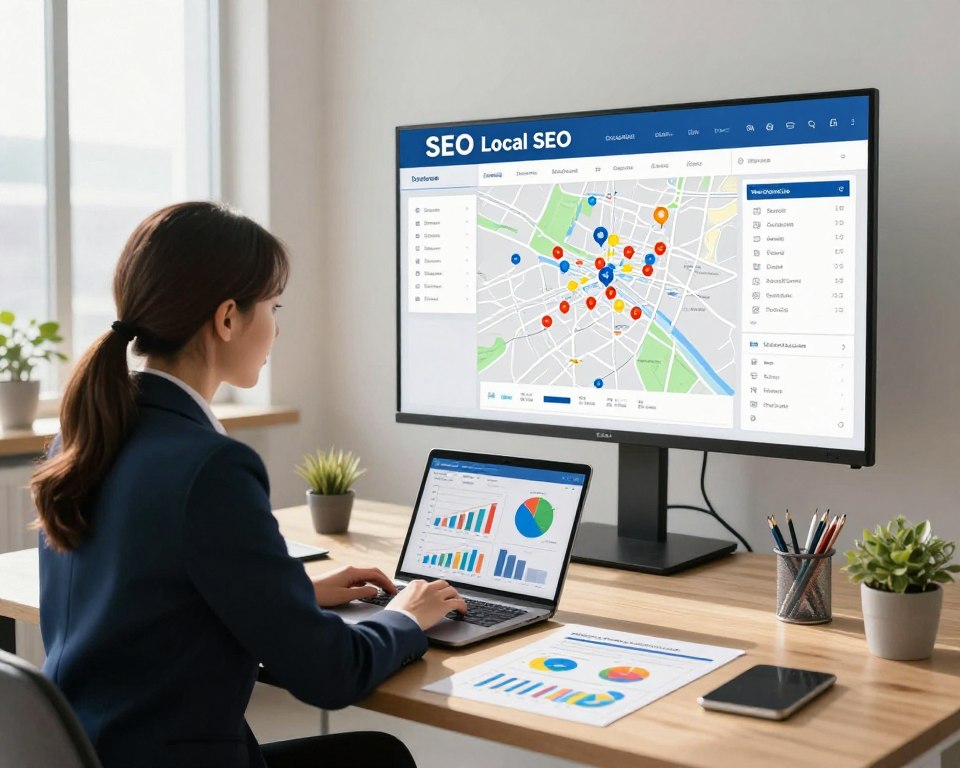
Why a Strategic Internet Marketing Plan Is Essential for Growth
A clear marketing plan prevents scattered efforts in a crowded online world. It sets S.M.A.R.T. goals for traffic, leads, and subscriptions. This makes it easier to track progress and adjust plans as needed.
How planning supports sustainable online growth
Planning helps take people from awareness through to action. SEO, digital ads, and social media work together to attract leads. In turn, more people progress through the journey, creating lasting growth.
Business outcomes tied to a clear strategy
Companies that link their marketing to business goals see better results. A clear strategy helps allocate resources effectively, shortens the time to generate new opportunities, and supports personalised experiences. This drives stronger organic visibility, improved lead quality, and predictable revenue increases.
How Marketing 1on1 supports strategic planning
Marketing 1on1 starts by running audits and building personas that align with business goals. They provide SEO packages for local campaigns, keyword targeting, and link building. Clients receive KPIs and clear steps to turn marketing plans into real growth.
Build Buyer Personas and Map the Customer Value Journey
Building accurate buyer personas is essential for a solid marketing strategy. Teams that work from personas know precisely who to target, which messages to use, and where to reach them.
Creating detailed customer avatars
Customer avatars are detailed profiles based on real data. They include demographics, job roles, and purchase drivers. Use templates from HubSpot or DigitalMarketer to track important details.
Gather data from surveys, CRM records, and interviews. Combine that with Google Analytics and SEMrush data to build a clear picture. This makes planning content and choosing channels easier.
The stages of the customer value journey
The customer value journey shows how a customer moves from first contact to becoming a loyal advocate. It covers stages like Awareness, Engagement, and Subscription.
For Awareness, use ads and SEO to reach people. Engagement comes from interactive content and helpful blog posts. Subscription is about getting contacts with lead magnets.
Conversion happens with initial purchases. Post-purchase, offer onboarding and how-to videos to keep excitement high. Use email sequences and follow-ups to keep customers progressing. Ask for reviews and referrals to advocate for your brand.
Hands-on exercises to map journeys
Begin with market research to confirm your persona assumptions. Run A/B tests on lead magnets to confirm they work. Use tools like CrazyEgg to see where people drop off.
Hold a workshop with marketing, sales, and product teams. Create a visual map of touchpoints and content across each stage. Use HubSpot to track data and turn journey mapping into a regular practice.
Audit and Inventory Your Digital Assets
Having a clear digital asset inventory is key. It shows what you own, what others share, and what you pay for. Begin by listing your website pages, social profiles, email lists, media files, and ad creatives. Make sure to track the performance of measurable items.
Explaining owned, earned, and paid assets
Owned media covers what you control, including your website, blog posts, and videos. These form the foundation for a strong online presence.
Earned media is about guest posts and reviews. It signals trust and expands reach through third-party voices.
Paid media includes ads and sponsored content. It drives targeted traffic and fills gaps left by organic reach.
How to run a full SEO and content audit
Start by collecting every indexable URL. Check whether each URL is crawlable, indexed, and mobile-friendly. Review title tags, meta descriptions, and header tags for every page.
For content, assess pages by quality, relevance, and engagement. Use analytics to identify thin pages, duplicates, and high bounce rates. Also check backlink quality and any spam risk.
Use tools like Google Search Console, Google Analytics, SEMrush, and Crazy Egg. They help with technical and behavior metrics. Set up alerts for mentions and use monitoring tools to track earned media.
Action plan based on audit findings
First, address technical issues such as site speed and mobile errors. Then, address crawl blocks and penalties.
Next, improve and refresh content that underperforms. Combine thin pages, expand strong content, and reoptimize for keywords.
Plan paid media to test new keywords. Also, follow up to convert earned mentions into long-term partnerships.
Set KPIs, assign owners, and set deadlines. Use tools to track progress and perform regular content audits to keep your inventory updated.
Select Channels and Tactics That Amplify Reach
Choosing the right channels starts with understanding your audience. You need to know where they spend their time and what formats they respond to. Align your choices with your business goals, matching content and timing to each stage of the customer journey.
Search and organic efforts are key to long-term visibility. A solid SEO strategy combines keyword research, on-page optimisation, and link-building. This helps grow sustainable traffic. Search marketing boosts awareness and conversion by answering real user needs.
Social channels are great for engagement and scaling messages quickly. Use interactive content like quizzes and polls to keep users engaged. Facebook Ads suit broad awareness, LinkedIn suits B2B, and Instagram or TikTok support visual storytelling.
Influencer partnerships build credibility and expand reach into niche communities. Choose influencers whose audience and tone match your brand. Define clear partnership goals (like awareness or lead generation) and measure the impact.
Paid tactics can accelerate results and fill gaps in organic channels. Paid media campaigns should mirror messaging from search, social, and email. Adjust your budget based on channel performance and persona behavior, always testing to improve ROI.
Omnichannel marketing connects all touchpoints for a unified experience. Create a plan that maps content, timing, and creative across every channel. Use tools like HubSpot to track conversions and refine your strategy.
Start with an editorial calendar, channel-specific KPIs, and a test plan. Launch pilot campaigns for key personas, then scale what works. This approach keeps your spending efficient while building a reliable growth engine.
Measure Performance and Optimize with Data
Effective marketing needs clear goals and regular check-ins. Start by setting S.M.A.R.T. targets that match your business goals. Review KPIs like organic traffic, conversion rates, and email signups.
Track progress against your plan. If you’re falling short of targets, refine your strategy. For example, add stronger incentives for email signups if monthly goals aren’t being met.
Key performance indicators that matter
Select KPIs that reveal how well you’re performing at each stage of the customer journey. Use organic traffic and social followers to measure reach. Email signups and time on site indicate engagement.
Conversion rates and revenue per customer matter most at the final step. Use SMART windows to understand when action is needed based on your metrics.
Tools and platforms for tracking and reporting
Build a toolkit for monitoring and understanding your marketing. HubSpot Marketing Hub helps with automation and reporting. SEMrush is strong for keyword research and competitor analysis.
TrueNorth supports complex campaign attribution. CrazyEgg shows heatmaps and session recordings to identify problems. Trello keeps your roadmap organised.
Process for ongoing improvement and A/B testing
Maintain a consistent schedule for checking traffic and KPIs. Review monthly and reassess strategy quarterly. Follow a loop of measure, analyze, hypothesize, test, and deploy.
Test CTAs, landing pages, and pricing to improve conversion rates. Use feedback and UX fixes to improve performance.
Marketing analytics should guide your decisions. Blend data with insights from customer interviews. Track outcomes and document lessons to improve faster.
Marketing 1on1 supports SEO, on-page improvements, and link-building. Tie each improvement to specific KPIs. This shows how your efforts are paying off.
Turn Strategy into Action: SEO Packages and Tactical Roadmap
Marketing 1on1 SEO packages convert big goals into a clear plan. The Starter, Business, and Ultimate packages start with a detailed SEO assessment. They uncover penalties and build a step-by-step roadmap.
Teams start by fixing technical issues and improving on-page SEO. This ensures the plan performs well.
Assets and campaigns are set up based on the customer’s journey. Awareness and local SEO start first. Next, subscription and conversion efforts come in. Lastly, post-purchase activities come later.
Phase 1 (0–30 days) is about checking things out, making an asset list, and understanding the buyer. Phase 2 (30–90 days) delivers on-page SEO updates and content for up to three cities. It also begins link building.
Phase 3 (90–180 days) expands content, uses social and paid ads, and tests landing pages. This phase verifies that everything is working effectively.
Putting the roadmap into action means setting up teams, budgets, and backup plans. Ongoing link building and regular audits help keep everything on track. Monthly KPI check-ins help spot issues and monitor progress.
Tools like SEMrush, HubSpot, Crazy Egg, and TrueNorth help track and improve. This combination of a detailed plan and SEO packages drives better visibility and more sales. The no-contract, audit-first approach helps find problems fast. Targeted local SEO, custom link building, and ongoing on-page SEO work together to reach more customers and improve business results.
Company Name: Digital Marketing 1on1 SEO
Website: https://www.marketing1on1.com/SEO-company-madison/
Address: 933 W Johnson St, Madison, WI 53715
Phone: (818) 538-4805
Related: How to Find the Right Digital Marketing Company 1on1