June 24, 2026

SEO For Pool Repair

Homeowners are spending more on outdoor living spaces, and the residential pool market is growing. For pool builders and service teams, capturing searches like “local pool installation” and “bespoke pool builder” is essential for revenue. This guide on SEO For Pool Contractors shows how Pool Contractor SEO transforms local interest into booked consultations and lucrative projects.

Professional Pool Company SEO Services reach beyond a static brochure website. Effective SEO For Pool Companies prioritizes local pack performance, Google Business Profile optimization, and content tailored to each buyer stage. This strategy turns organic traffic into leads for routine maintenance and high-value installations worth tens of thousands to six figures.

Marketing 1on1 (www.marketing1on1.com) excels in customized Pool Contractor SEO strategies for builders, repair firms, and service businesses. The agency’s efforts are designed to boost organic visibility and establish a consistent project pipeline through local SEO, content planning, technical enhancements, and targeted link building.

This opening section frames the scope of an integrated, practical guide. You will find actionable strategies for the search landscape, local SEO, and content that converts. It also covers technical optimization, keyword and link strategies, conversion best practices, reputation management, and seasonal planning for pool companies.

Exploring The Pool Industry Search Landscape

Search behavior for pool projects changes with the seasons. From January to March, homeowners research options and set budgets. They look for options and research. April to June is when they actively seek installation and quotes from contractors.

In July and August, maintenance and repair searches peak. September to November center around end-of-season deals and winter preparation. December is when early planners start preparing for the next spring.

SEO for pool services needs to follow seasonal demand. Winter content attracts early planners, while spring content drives conversions. Summer content supports maintenance leads, and fall content secures bookings for the off-season. This consistent presence helps turn interest into actual calls and estimates.

Swimming pool projects are major purchases, often starting at around $30,000 and going over $100,000. The buying process involves homeowners, landscape architects, and financing partners. SEO for pool builders should match content with each stage of the purchase journey.

Pool search intent changes widely. Informational queries like “fiberglass vs concrete pools” or “how much does a pool cost” require in-depth educational content. Transactional and local queries, such as “pool contractor near me” or “pool installation [city],” need optimized service pages and a strong Google Business Profile. SEO strategies for pool services must cater to these different intents to attract the right traffic.

Location-focused SEO is vital because most homeowners search within a 20–30 mile radius for contractors. Localized messaging about soil conditions, permit nuances, and climate improves relevance and conversion. SEO for pool services should pair radius targeting with city and neighborhood pages to win the local pack and deliver the right leads at the right time.

Local SEO Tactics For Pool Contractors

Local visibility is essential for pool businesses. Focusing on key signals boosts visibility for Local SEO Pool Services. It helps capture customers searching for Pool Service SEO Near Me.

Pool Company SEO

Establish a Google Business Profile that’s complete and precise. Use keyword-rich descriptions, correct categories, and clear service area listings. Add operating hours, accepted payments, and before-and-after photos to showcase craftsmanship. Post weekly updates and highlight specials to keep the profile active for Google Maps SEO For Pool Builders and Google Maps SEO For Pool Service Companies.

Create service area and location pages that reflect real differences between cities and neighborhoods. Tailor copy to local permitting, water conditions, and climate. Include localized CTAs, testimonials from nearby homeowners, and project galleries people in the area will recognize. These pages help Local SEO For Pool Companies move research into calls and visits.

Maintain consistent NAP details across the website, directories, and social profiles. The same name, address, and phone number limits confusion for users and search engines. Mismatched listings can lower trust and harm local rankings for Local SEO Pool Services and Pool Service SEO Near Me.

Focus on local citations in industry and community directories. Target supplier directories and associations such as the Association of Pool & Spa Professionals for authority and referral traffic. Quality citations strengthen Google Maps SEO For Pool Builders and strengthen signals used in the local pack.

Local pack visibility gets stronger when GBP signals, reviews, photos, and correct categories are strong. Build relevant backlinks from local partners and suppliers to increase authority. Treat GBP updates as high-impact tasks that create quicker movement for Google Maps SEO For Pool Service Companies.

Priority Recommended Move Likely Impact
Top Complete Google Business Profile with photos and weekly posts Quicker Map Pack exposure and stronger click activity
Top Keep name, address, and phone identical everywhere Improved trust, fewer ranking drops, consistent leads
Important Develop service-area pages for priority markets Better local relevance and higher conversion rates
Medium Acquire citations in pool industry and local directories Better local trust and supporting citation relevance
Long-Term Develop partnerships for local backlinks and case studies Long-term credibility and stronger local SEO support

Conversion-Focused Content Strategy For Pool Companies

A carefully built content plan can convert curious homeowners into qualified leads. Begin with a strong pillar page that addresses key questions about inground and aboveground pools. It should cover permits, budgets, and timelines. Link focused posts back to the pillar to bring in research-stage traffic and encourage prospects to seek consultation or a quote.

Pillar pages with supporting content clusters

Build a location-focused pillar page like “Complete Guide to Inground Pools in Southern California” that covers types, costs, and timelines. Surround that pillar with cluster posts: cost comparisons, financing options, material pros and cons, and permit checklists. This structure builds topical authority and keeps visitors engaged, aiding Pool Builder SEO.

Strong content assets for pool companies

Create detailed buying guides of 2,500–3,500 words for deep research queries. Add interactive tools such as cost calculators and budget planners to collect leads. Publish design galleries organized by style and feature, and embed short installation walkthrough videos. Maintenance guides and downloadable estimate templates encourage post-sale loyalty and aid SEO For Pool Cleaning Companies and SEO For Pool Smart System Installers by addressing adjacent queries.

Conversion elements within pool content

Add obvious calls-to-action inside guides: schedule a consultation, download a financing checklist, or request a site visit. Gate advanced tools like detailed calculators to capture email addresses. Use portfolio galleries with click-to-call buttons to shorten the path from browsing to booking. These tactics increase lead quality while showing Pool Building SEO Services in action.

Season-based content calendar

Align content production with seasonal homeowner behavior. Winter content should focus on planning, design inspiration, and financing to attract early-booking homeowners. Spring assets should guide permits, timelines, and contractor selection to support installation bookings. Summer pieces should focus on maintenance, quick repairs, and upgrades. Fall content must cover closing, winterization, and booking for the next spring.

Content Type Core Purpose Ideal Season Conversion Method
Service-Area Authority Page Build topical authority and capture regional searches Every season Inline CTAs to contact and portfolio links
Long-form Buying Guide Educate early buyers and collect qualified leads Winter and Spring Gated checklist and consult booking
Cost Calculator Screen homeowner budgets and capture contact details Planning months and early buying season Gate the detailed output behind a contact form
Project Gallery With Case Examples Build trust and inspire design choices Year-round, focus in Summer Call buttons and project request forms
Maintenance Guides Keep customers engaged and generate repeat service Summer and Fall Sign-up for seasonal maintenance plan
Pool Build Walkthrough Video Explain the process and remove uncertainty Spring and Summer Embedded request-estimate prompt

Focused, steady content creates trust and reduces friction in the buyer journey. Use analytics to refine which pillar pages and clusters drive the most leads. Align editorial work with Pool Company SEO and Pool Building SEO Services goals to raise visibility and convert more high-value projects.

Technical SEO And Website Optimization For Pool Builders

Technical SEO improves your site’s speed, clarity, and usability for those searching for pool services. Given that most pool queries come from mobile users, it’s critical to focus on responsive designs, large tap targets, and one-click calls. This ensures a seamless transition from discovery to booking.

A mobile-first approach demands testing on actual devices. Aim for load times under 3 seconds, with a goal of under 2 seconds for portfolio and service pages. To achieve this, compress images, lazy-load gallery assets, and minify CSS and JavaScript. Browser caching and a CDN can further enhance the delivery of video and high-resolution photos.

Arrange your site architecture to reflect services, pool types, and locations clearly. Create dedicated service pages for installation, renovation, repair, and maintenance. Include separate sections for inground, fiberglass, vinyl, and concrete pools. Build location pages that match services with cities or neighborhoods to boost local relevance.

Internal linking should highlight pillar content and guide users to contact actions. Link gallery and case study pages to related service pages. Use concise anchor text that aligns with intent and reduces click depth to conversion points. This strategy benefits both search engines and prospects.

Structured data aids search engines in presenting rich snippets. Implement LocalBusiness schema with serviceArea and openingHours. Add Product schema for pool packages and FAQ schema for common buyer questions. Include Review schema for testimonials to improve click-through rates for contractors and Pool Building SEO Company pages.

Ongoing technical reviews are necessary for maintaining a healthy site. Monitor Core Web Vitals, fix broken links monthly, and address mobile usability issues promptly. Keeping platforms and plugins updated limits performance and security issues that can harm rankings.

For companies handling several pool-related services, align technical efforts with business roles. Pool Builder SEO Company efforts should mirror on-site improvements. SEO For Pool Service Company and SEO For Pool Inspection Companies strategies must share data on conversions. Pool Installer SEO focuses on location and service pages tied to booking funnels.

Schedule recurring speed checks and schema validation. Track improvements and iterate quickly to safeguard visibility during peak seasons and major campaigns.

Pool Service Keyword Research And Link Building

Begin with broad seed phrases and then narrow down to specific questions and location-specific terms. Use keywords like pool contractor [city] and custom pool builder [city] to focus on local markets. Include niche terms such as custom saltwater pool [city] to attract buyers looking for specific services.

Strategize by balancing search volume with competition levels. Target lower-competition long-tail phrases first. Incorporate branded service terms and technical phrases like infinity pool builder for projects requiring visual evidence. Stay updated on Pool Repair SEO and Pool Leak Detection SEO trends to capitalize on seasonal demand and urgent searches.

Choose ranking targets that align with your business objectives. Pursue Pool Builder SEO and Pool Repair SEO for broader pages. Use Local SEO Pool Services and pool leak detection SEO for service and location-specific pages. Create FAQs around “how much does a pool cost” and “vinyl liner pool contractors near me” to attract research-stage visitors.

Concentrate on building links from relevant, authoritative sources. Partner with landscapers, outdoor kitchen builders, and deck contractors for guest posts and referral pages. Secure listings with manufacturers and supplier directories to strengthen domain authority and referral traffic.

Community PR and local media outreach can produce high-authority backlinks. Pitch stories about projects, safety workshops, and sponsorships to gain citations from news sites and event pages. Offer expert commentary to home improvement blogs and trade publications to build credibility.

Become active in trusted organizations like the Association of Pool & Spa Professionals and seek links from local chambers and community event pages. These links reinforce local relevance and improve rankings for custom pool builder [city] and infinity pool builder queries.

Monitor results by tracking keyword rankings, referral sources, and leads tied to specific pages. Use this data to refine targets like pool contractor [city], custom saltwater pool [city], and Pool Repair SEO. This ensures that outreach and content efforts produce measurable traffic and qualified leads.

Reputation Management And Conversion Optimization

Conversion-focused design aims to turn visitors into booked jobs. Use prominent click-to-call buttons on mobile, short contact forms, live chat, and clear financing details to remove friction. Trust signals such as licenses, insurance, warranties, and testimonial videos strengthen credibility for Pool Service SEO and SEO Services For Pool Maintenance campaigns.

Conversion-Focused Pages With Click-To-Call, Forms, And Financing Information

Develop focused landing pages for installation, renovation, repair, inspection, and routine maintenance. Each page should have a tailored CTA, local proof points, and a simple form with no more than three fields. Add financing and payment-plan sections to address affordability and improve conversions for SEO For Pool Repair and SEO For Pool Cleaners.

Review Generation And Professional Feedback Responses

Ask for reviews at job completion and send 2–3 week automated follow-ups with direct platform links. Prioritize Google, Facebook, Yelp, Houzz, and Angi, plus supplier directories to broaden your footprint for Local SEO Services For Pool Services Businesses.

Reply to each review within one to two days. Handle negative feedback publicly, then move detailed resolution offline to show professionalism. Use short testimonial videos and case photos to support reputation signals used in Pool Service SEO.

Tracking ROI With KPIs That Matter: Local Pack Visibility, Cost Per Lead, And Lead-To-Customer Ratio

Monitor organic visits from priority keywords, local pack appearances, ranking for commercial keywords, and conversion rate from organic visitors to leads. Use Google Analytics goals, call-tracking, and multi-channel funnel reports to attribute value for Conversion Optimization Pool Service SEO Company efforts.

Review CPL from SEO and advertising channels, aiming for a lead-to-customer ratio that supports growth. Benchmarks to target include an organic conversion rate above 5%, local pack visibility over 40% in core areas, and page load speeds under 3 seconds to support SEO For Pool Repair and SEO Services For Pool Maintenance performance.

Closing Summary

Effective SEO For Pool Contractors merges seasonal insights, local targeting, robust content, technical optimization, and strategic link building into a cohesive plan. This approach drives a steady stream of qualified leads. Winter is the best time for content creation and audits, spring for refining conversion strategies, summer for boosting service visibility, and fall for securing future projects. This continuous cycle ensures that Pool Company SEO and SEO Pool Companies stay visible throughout the year.

Local SEO For Pool Cleaners and builders depends on optimized Google Business Profiles, clear service-area pages, and review systems that foster trust. Combining these with pillar content, galleries, and fast mobile pages strengthens both search rankings and on-site conversions. Pool Builder SEO Services should focus on creating pages that directly address buyer needs and simplify the process of contacting or filling out forms.

Tracking important KPIs like local pack visibility, cost per lead, and lead-to-customer ratio is essential. Regularly update strategies to improve ROI. Agencies and consultants with a background in pool marketing can scale these tactics while emphasizing measurable growth. A well-rounded strategy that emphasizes lead quality and conversion will consistently support business growth for pool professionals nationwide.

Related: Start Affordable SEO

SEO Strategies For Financial Advisors

Search engines are often the starting point for people looking for wealth advisors. A dedicated Financial Advisor SEO Specialist helps ensure your firm shows up in search results when prospects are actively looking. This turns SEO into a long-term marketing asset, rather than a paid-ad alternative only. Effective Financial Advisors SEO involves optimized pages, trust signals, and map presence. This strategy captures motivated searchers when they are prepared to take action. It also cuts down the cost of ongoing paid ads.

Search optimization services for advisory firms include search-term discovery, site health reviews, and schema markup. They also involve analytics, content mapping, and recurring reporting. An experienced consultant will also guide compliance and archival practices, helping ensure marketing aligns with SEC rules for registered firms.

When done right, Financial Advisors SEO generates long-term unpaid traffic. It boosts credibility through experience, expertise, authority, and trust and converts visitors into clients. The right mix of content, local signals, and credible links is key.

Why SEO Matters For Financial Advisors And How It Drives Growth

Many future clients launch their financial journeys with a search. They might ask, “Is a Roth conversion right for me?” or “How do I prepare for a liquidity event?” By capturing these queries, advisors can place their firms in front of prospects ready to learn. This approach transforms those inquiries into consistent site visits, reducing the need for costly paid campaigns.

Search intent shifts users from casual browsing to making hiring decisions. A top organic listing can outperform ads in terms of clicks. Detailed keyword phrases, which dominate search traffic, are often more effective for independent advisors. By focusing on long-tail content, SEO Financial Advisors can gain visibility and attract better-fit prospects.

SEO works as a digital referral system. Google directs users to sites it considers trustworthy and relevant. By publishing answers to practical financial issues, advisors build credibility before even speaking with a prospect. This credibility increases confidence and raises the likelihood of a visitor becoming a prospect.

Trust signals matter deeply for financial topics labeled YMYL. Displaying recognized advisor qualifications in author bios, sharing planning examples, and providing a transparent company profile are simple EEAT signals. Overloaded SEO copy cannot replace genuine expertise. Adhering to strong authority signals enhances SEO Lead Generation For Financial Advisors, making it more sustainable and compliant.

Ongoing reporting matters to refining results. Monitor target phrase movement, site sessions, and form fills. Test title tags and SERP descriptions to improve clickthrough rates. A cycle of testing and refinement proves that SEO can work for financial advisors with measurable outcomes.

Practical SEO approaches for financial advisors center on prospect concerns, authority proof, and performance review. By creating useful resources, highlighting professional expertise, and continuously optimizing, advisors can establish a consistent inquiry pipeline. This supports long-term growth.

Local SEO For Financial Advisors: Dominating Your Market

Many advisory firms serve clients within specific regional areas. Local searches often lead to fast, high-intent interactions. A strong local presence can convert local visitors into serious clients.

SEO For Financial Advisors

Improve Google Business Profile And Local Citation Signals

Begin by securing and confirming your Google Business Profile. Ensure every field is filled with complete data. Include offerings, hours, images, and clear summaries to enhance visibility in branded searches.

Uniform information matters. Use the same NAP details across platforms like CFP Board. Regular updates to these listings boost trust and support your Google Maps SEO efforts.

Local Keyword Strategy And Long-Tail Location Phrases

Integrate location-based keywords into your service and landing pages. For example, “retirement planning in Denver” or “Austin fee-only advisor for tech founders”. These long-tail phrases reduce competition and increase conversion rates.

Use both general and precise phrases to capture a wide range of search intents. A seasoned Local SEO Expert can align these keywords with your services and client needs effectively.

Consistent Listings And Citation Management

Check citations on a recurring basis to identify and correct any inaccuracies. Fixing errors promptly ensures Google indexes correct business information. Monthly reports that detail citation updates, GBP changes, and market changes help maintain a strong local presence.

Some advisory firms hire a local SEO agency or Agency to manage their listings. These services often include listing management, local pack work, and tracking for local searches.

Local SEO Task What It Fixes Likely Outcome
Google Business Profile completion Incomplete details and weak local visibility Higher Maps placement and more calls
Citation audit and cleanup Inconsistent NAP across directories Stronger local rankings and greater trust
Long-tail location content Crowded broad keywords and weak targeting More conversions from precise local searches
Monthly local reporting Lack of performance tracking Faster adjustments and competitor insights

Using the right local SEO support aligns your online presence with client search behaviors. Hiring a Local SEO Company accelerates implementation and keeps your firm visible for nearby advisor queries.

On-Page And Content SEO Strategies For Financial Advisors

Page-level SEO and content strategy are essential for any successful marketing strategy. Financial advisors who address client concerns gain visibility and trust. Implementing on-page checks and a consistent content schedule enhances authority and client engagement.

Topic Selection Based On Client Questions

Begin by focusing on the most common client inquiries about retirement income, tax-efficient conversions, business sales, and legacy planning. Convert these questions into detailed blog posts, direct answer sections, and lead magnets. This approach makes your content feel both supportive and practical.

Align topics with user intent: create informational content for early-stage searchers and practical guides for those closer to making a decision. This strategy helps determine which search phrases to prioritize on each page.

SEO Titles, Headings, And Internal Links

Craft page titles and snippets that accurately reflect the page’s value. Use one H1 tag per page, followed by H2 and H3 tags to organize content into readable sections. Effective headings clarify complex planning topics.

Connect pages to useful resources to encourage site exploration. Internal links demonstrate your site’s coverage and help with broader keyword rankings. Apply structured data for services and author credentials to support the trust framework.

Content Repurposing And Freshness

Convert webinars into written resources, transcribe Q&A sessions for FAQs, and convert educational presentations into checklists. Updating older content with current examples signals relevance to search engines. This approach enhances SEO without requiring continual publishing from scratch.

Run recurring SEO reviews to identify low-depth content, old numbers, and broken links. Monthly reviews of keyword performance, engagement metrics, and lead actions allow for title and content refinement.

Pair these tactics with competitor research. Analyze competitor pages, then create more detailed content that addresses the same client needs. This cycle of question research, SEO refinement, and content updates keeps your firm visible and valuable to prospects.

Technical And Off-Page SEO Methods To Improve Rankings

Technical SEO and outside trust signals are essential for boosting advisor search visibility. Begin with the basics: secure browsing, fast page loads, responsive design, and optimizing Google performance signals. A clean technical foundation reduces bounce rates and enhances indexing efficiency.

Crawl-control checks, sitemap updates, and canonical audits help remove content barriers for Google. Set up analytics tracking with conversion tracking and device reporting to measure real outcomes. Use rich-result markup to highlight services for better rich results.

Domain trust develops through relevant, high-quality backlinks. Target placements in financial education sites and local business journals. Also, pursue mentions from professional directories and professional associations. These links boost domain trust and referral traffic.

Advisor backlink campaigns should focus on relevance before volume. Expert content, professional insights, guest discussions, and partnerships with estate attorneys create natural link opportunities. Track new backlinks and run competitor link analysis each month.

Social media helps distribute resources and aid in indexing. Choose the network where your ideal clients spend time and post on a reliable schedule. Use concise captions with keywords and link back to hub pages to drive visits and engagement.

Measure progress with a selection of advisor SEO tools. External link analysis, technical scans, and A/B testing of titles and meta descriptions reveal what lifts clickthrough rates. Monthly reports should tie organic gains to leads to show ROI.

Determine whether to engage an SEO Firm For Financial Advisors or build internal expertise. A firm offers crawl reviews and backlink outreach at scale. In-house teams can move faster on content and client-facing tasks.

Compare SEO Vs PPC For Financial Advisors when planning budgets. Paid search delivers immediate visibility for target keywords. Organic SEO builds compound visibility that compounds over time. Blend both for short-term traction and long-term cost efficiency.

SEO Focus Primary Actions Near-Term Result Durable Benefit
Site Performance Improve load time, compress images, audit Core Web Vitals Lower bounce rates Higher sustained search visibility
Crawlability And Technical SEO Robots.txt checks, sitemap updates, canonicals, schema markup Faster indexing More accurate search results for services
Backlink Building Guest posts, expert quotes, partnerships, niche directories Increased referral traffic Improved domain authority and rankings
Social Amplification Targeted social posting, keyword captions, links to hub pages Fast engagement lift Wider reach and more returning visitors
Reporting And Testing Analytics configuration, backlink reporting, snippet tests Clear performance signals Data-driven growth and optimized spend

How A Financial Advisors SEO Consultant And Marketing 1on1 Can Help

Engaging a specialist streamlines the process, allowing advisors to focus on client needs. A Financial Advisor SEO specialist targets three key areas: boosting local visibility, refining service pages, and addressing technical and off-page issues. Marketing 1on1 leverages industry expertise to attract qualified leads and enhance online reputation.

SEO Audit And Customized Strategy

An initial SEO Audit For Financial Advisors uncovers near-term fixes and structural flaws. It involves technical assessments, keyword mapping, and topic-gap review. These findings are used to craft a firm-specific roadmap, setting clear goals for organic visibility, consultation requests, and regulatory compliance.

Specialists such as an advisor SEO agency convert audit insights into clear implementation steps. The process starts with technical and content fixes, followed by topic expansion and backlink acquisition efforts.

SEO Packages And Ongoing Services For Advisors

SEO Packages Financial Advisors offer scalable solutions based on site size and keyword targets. Options range from boutique firms to large practices, with varying levels of support.

Monthly services from an SEO Marketing Company For Financial Advisors include page improvements, link outreach, reporting dashboards, and snippet testing. Regular reports detail keyword movement, organic sessions, and acquisition cost, guiding continuous improvement.

Tier Optimized Pages Keywords Targeted Typical Deliverables
Entry Seven 20 SEO Audit For Financial Advisors, on-page fixes, local GBP setup, monthly report
Growth Twenty-five 80 All Starter items, content creation, backlink outreach, conversion tracking
Advanced Fifty One hundred fifty Complete technical SEO, authority outreach, UX testing, and dedicated specialist support

Compliance-Focused SEO And Archival Practices

Regulatory alignment matters deeply for advisory firms. A advisor-focused digital marketing agency or an SEO agency for advisors implements archival systems for marketing content and versions. This ensures recordkeeping support while maintaining content freshness.

Publishing systems are built to eliminate risky language and include necessary disclosures. This approach minimizes regulatory risks while maintaining a consistent content schedule. Ongoing SEO Services For Financial Advisors help support compliance with the SEC Marketing Rule through recurring reviews and reporting.

Choosing a financial advisor SEO specialist and a reputable Financial Advisors SEO Agency offers a structured path to long-term lead generation. Marketing 1on1 combines strategic execution with recordkeeping discipline to help ensure sustained success.

Final Thoughts

SEO stands as a robust, cost-effective strategy for Financial Advisors, enabling them to connect with high-intent prospects. It builds credibility before the first meeting. By addressing actual planning questions and focusing on expertise and trust, advisors can reduce their dependence on paid ads. This approach fosters a steady flow of leads through SEO Lead Generation For Financial Advisors.

A strong SEO plan brings together technical SEO checks, page-level improvements, regional search optimization, and external trust growth. SEO Marketing For Financial Advisors demands refinement of page titles, content structure, Google Business Profile entries, and site performance. It also requires regulatory alignment and maintaining archival workflows for regulatory scrutiny.

Regular SEO reporting, conversion tracking, and a dedicated marketer are essential to transform visibility into tangible growth. Digital Marketing For Financial Advisors and financial advisor marketing strategies thrive with the support of experienced specialists. Seek out reputable SEO companies for advisors or a reputable agency to oversee the SEO review, search-term strategy, and implementation.

The growth roadmap is direct: initiate an SEO Audit, target location-based long-tail terms, rectify crawl barriers, secure quality links, and ensure compliance in publishing. This sequence will empower advisors to convert qualified searches into meaningful client relationships and enduring business value.

Related: The Environmental and Financial Benefits When You Bulk Buy Light Bulbs

Tri Clover Pipe Fittings for Winery Applications: A Setup Guide

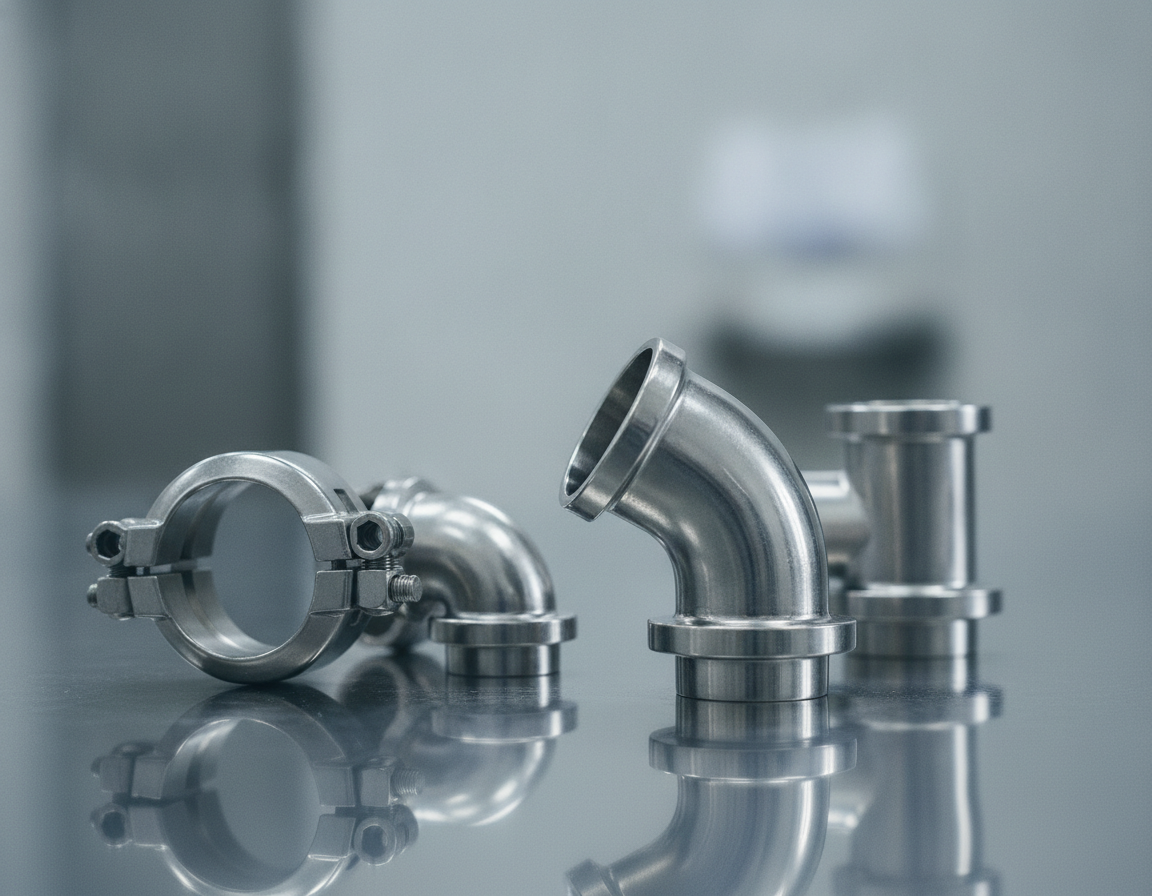
Across many industries, stainless steel sanitary pipe fittings are important for keeping process systems hygienic. Components such as ferrules, clamps, sanitary valves, and fittings are specified to maintain clean fluid paths. They reduce contamination risk while making cleaning, inspection, and maintenance easier.

The choice of Hygienic Fittings and Ss Sanitary Fittings directly impacts product safety, system uptime, and adherence to regulations. Material grade, surface finish, and connection compatibility are essential selection factors. These details determine how easily the system can be cleaned, validated, and maintained.

Reliable suppliers and detailed catalogs are vital for operations teams to select the right parts. Brands like CSI and distributors such as Installation Parts Supply supply essential information. Their catalog listings, lead times, and customer reviews can guide purchasing decisions for Sanitary Valves And Fittings.

Key Takeaways

  • Stainless Steel Sanitary Pipe Fittings are critical for contamination control in clean systems.
  • Cleanability and corrosion resistance are influenced by material grade and surface finish.
  • Hygienic Fittings compatibility limits downtime during maintenance and upgrades.
  • Catalogs and reviews from CSI and Installation Parts Supply help dependable sourcing.
  • Choosing the right Sanitary Valves And Fittings supports product quality and regulatory compliance.

Sanitary Pipe Fittings And Hygienic Fittings For Clean Systems: Overview

Sanitary systems rely on components designed for safety and efficiency. A sanitary fitting should include smooth surfaces, tight seals, and accessible cleaning points. These features are critical for preventing contamination and supporting clean-in-place and sterilize-in-place routines.

Stainless Steel Sanitary Pipe Fittings

What Sanitary Fittings Are Designed To Do

Sanitary fittings, also known as hygienic fittings, create crevice-free connections. This minimizes bacterial growth, maintaining product purity during transfer and processing. Their design makes possible faster cleaning while reducing cross-contamination risk.

Industries That Use Hygienic Fittings

Food processors use hygienic fittings to meet safety standards and reduce spoilage risk. Beverage manufacturers use them to protect flavor and shelf life. Pharmaceutical plants choose fittings that meet strict regulatory requirements.

Biotech facilities need validated sanitary connections for fermentation, cell culture, and bioprocessing. These industries prioritize documentation, repeatable cleaning, and compatible materials.

Why Stainless Steel Is Preferred For Sanitary Applications

Stainless steel is widely chosen because it delivers corrosion resistance, mechanical strength, and easy cleanability. Grades such as 304 and 316L can withstand cleaning chemicals, process fluids, and elevated temperatures. They also support smooth finishes, low Ra values, and electropolished surfaces.

Stainless components help prevent bacterial growth and extend service life under aggressive cleaning. Tri Clover Sanitary Fittings and other standardized interfaces streamline the assembly and maintenance of robust hygienic systems.

Stainless Steel Sanitary Pipe Fittings

In modern food, beverage, and pharmaceutical systems, stainless steel sanitary pipe fittings are critical. The right material, product type, and surface finish are key to reducing contamination risk and making cleaning easier. This section reviews common stainless grades, component families, and surface finish options for hygienic performance.

Sanitary Stainless Steel Materials And Grades

Type 304 stainless steel is known for its corrosion resistance and mechanical strength, making it suitable for general processing lines. It is commonly used for tanks, structural supports, and areas where product-contact risk is lower.

Type 316L offers superior resistance to chloride pitting and crevice corrosion. Pharmaceutical manufacturers often choose 316L for wetted parts because its low carbon content helps reduce sensitization during welding.

Matching grades across components ensures corrosion resistance and prevents galvanic issues when parts are joined. Specifying 304 or 316L at the design stage streamlines the procurement of SS Sanitary Fittings and associated parts.

Common Product Types And Their Roles

Ferrules are the basic connection points for butt-weld and weld-in assemblies. They are typically available in 304 or 316L with polished internal diameters to match process piping requirements.

Two-piece clamps, often called Tri-Clamp or Tri-Clover style clamps, allow quick assembly and disassembly for cleaning. Couplings and sanitary weld fittings ensure smooth lines and weld-ready connections.

Sanitary Hose Fittings and Sanitary Weld Fittings connect flexible transfer lines and permanent piping. Sanitary Valves And Fittings control flow while maintaining cleanable contours. Designing a system with compatible SS Sanitary Fittings reduces downtime and leak risks.

Surface Finish And Cleanability Requirements

Surface roughness changes how residues adhere. A 32RA internal finish is a common specification that balances cost, cleanability, and food/beverage performance.

Electropolishing further smooths the metal and enhances passivity. This treatment minimizes microbial harborage and boosts corrosion resistance in aggressive environments.

Specifying matching finishes across ferrules, clamps, valves, and weld fittings supports hygienic integrity. When components share 32RA or electropolished surfaces, cleaning validation becomes more dependable.

Part Usual Material Standard Finish Primary Use
Ferrules for welded assemblies 304 stainless or 316L stainless 32RA ID/OD Welded transitions, pipe ends
Tri-Clamp two-piece clamps 316L for demanding use Polished or electropolished finish Quick-release sanitary connections
Sanitary couplings and weld fittings 304 and 316L stainless options 32RA, electropolished optional Permanent joins, elbows, tees
Hygienic hose fittings 316L often specified Electropolished for product contact Hose-to-pipe transfer connections
Hygienic valves and fittings 316L on wetted surfaces Polished internals Cleanable flow control in process lines

Triclover Fitting Options And Tri-Clamp Catalog Guidance

Tri Clover Pipe Fittings follow strict dimensional standards, ensuring compatibility across manufacturers. DIN 32676 and DIN 11864-3A dictate ferrule face geometry and clamp interfaces. These standards help sanitary lines remain leak-resistant, cleanable, and easy to maintain. These standards simplify the selection of Triclover Fittings for food, beverage, and pharmaceutical applications.

When reviewing a Tri-Clamp Fittings Catalog, focus on size range, material grade, pressure ratings, and surface finish. Catalogs often list two-piece clamps from 0.25″ to 4″, including single-pin options and matching gaskets. Ferrules are usually shown with length, material, and finish details, with 304 and 316L 32RA options common for improved cleanability.

Key items in catalogs cover clamps, ferrules, and gasket sets, sized in inches or DN. Small two-piece clamps may start under ten dollars, while larger clamps often fall in the low double-digit range. Each Triclover Fitting entry should list OAL, ID/OD finish, and compatible gasket material. This helps ensure the correct part is selected when ordering.

High-pressure applications may require double-bolt or heavy-duty two-piece clamps. These clamps may use a 304 stainless body with brass nuts to balance strength, corrosion resistance, and tightening performance. For critical process lines, select high-pressure clamps based on rated clamp force and confirm compatibility with existing Tri Clover Fittings to avoid mismatches.

Material choice affects service life, cleanability, and corrosion resistance. 316L ferrules provide better chloride resistance in harsh or chemically aggressive environments. Make sure the Tri-Clamp Fittings Catalog lists ferrule metallurgy, clamp construction, and finish details. This supports the selection of Tri Clover Pipe Fittings based on process conditions and application requirements.

Spec sheets should list clamp size charts, ferrule dimensions, and part numbers to streamline procurement. A well-organized catalog supports quick replacement of Triclover Fittings, minimizing downtime. Choose suppliers that publish detailed specifications for each Tri Clover Fitting so interchangeability across brands can be confirmed.

Sanitary Connections And Compatibility With CSI Sanitary Fittings

Sanitary connections are essential for joining pipes, valves, pumps, and equipment in clean systems. The right joint type is critical for maintaining hygiene and efficiency. This section explains common connection styles, brand interchangeability, and supplier reliability feedback.

There are various connection types, including clamp connections like Tri-Clamp, butt-weld and socket-weld fittings, threaded links, and sanitary hose fittings. Each style has different advantages for assembly speed, cleanability, and leak risk.

Clamp connections are popular because they assemble quickly and can be disassembled easily for cleaning. Welded joints, on the other hand, offer the smoothest internal profile for cleaning-in-place CIP and sanitizing-in-place SIP processes. Threaded fittings are generally more suitable for low-risk or utility applications where product contact is not critical. Sanitary hose fittings need matched ferrules and a secure Sanitary Coupling to help prevent leaks.

Brand compatibility is critical when mixing components. CSI Sanitary Fittings and Csi Fittings follow common standards like Tri-Clamp and DIN, making them generally interchangeable with other manufacturers. Steel & O’Brien publishes specification sheets that help confirm compatibility with major Tri-Clamp systems when the standards match.

To confirm compatibility, match nominal size, sealing face, material grade, and surface finish. Verify standards such as DIN 32676 and DIN 11864 on datasheets. Mismatched finishes or grades can cause corrosion, leakage, or product-residue traps.

Customer reviews can provide practical insight into supplier reliability and fulfillment speed. Reviews for CSI mention consistent part quality and quick shipping, with some buyers experiencing next-day delivery on stock items. Others praise the responsive communication after order inquiries.

When evaluating suppliers, review lead times, documented quality, and after-sale support. Reliable shipping and clear specification sheets help reduce downtime and avoid costly returns when buying Sanitary Connections, CSI Sanitary Fittings, or Steel & O’Brien components.

Connection Style Recommended Application Cleaning Performance Cross-Brand Notes
Clamp Tri-Clamp Product-contact lines needing frequent disassembly Easy cleaning when gasket and ferrules match High when size and sealing face match; CSI fittings fit most brands
Welded sanitary connections Permanent process runs requiring smooth internal bores Very high when welded and polished correctly Standardized dimensions ensure cross-brand fit for ferrules and couplings
Threaded Utility lines and non-product-contact service Moderate because threads may trap residue Use carefully and confirm grade, thread style, and finish
Flexible hose with sanitary ferrule Flexible transfer lines and temporary connections Strong if fitted with matching ferrules and couplings Requires matching ferrule profile and Sanitary Coupling for leak-free fit

Sanitary Pipe Fittings Stainless And SS Sanitary Fittings Selection Guide

Choosing the right sanitary components requires a few focused steps. This guide helps you match size, material, and finish to your process needs. Use the metrics and checks below to limit downtime and ensure hygienic performance.

Begin with size and designation. Confirm DN and TC stamping and verify DN TC inch equivalents before ordering. Common catalog matches include DN20/DN25/DN32/DN40/DN50/DN65/DN100 mapped to 0.25″–4″ Tri-Clamp sizes. Check mating surfaces, gasket groove styles, and flange faces to ensure compatibility.

Material selection is a critical part of sanitary fitting specification. For many food and beverage lines, 304 stainless meets strength, cleanability, and cost requirements. For pharmaceutical, chloride-exposed, or aggressive-cleaning processes, choose 316L for better corrosion resistance and weldability. Many suppliers list 316L ferrules and fittings as standard choices for harsh service environments.

Surface finish and gasket choice shape cleanability and seal life. Specify target finishes such as 32RA or electropolished surfaces. Match gasket materials like EPDM, PTFE, or silicone to temperature, chemical exposure, and product contact requirements. Confirm gasket cross-sections and clamp pressure to avoid leaks.

Review process pressure and clamp type. Standard sanitary clamps handle many everyday sanitary services. High-pressure applications require reinforced clamps, double-bolt designs, or specialized nuts and hardware. Review catalog pressure ratings and choose clamps rated above operating pressure to provide a safety margin.

Copper Tri Clamp Fittings may be considered for specialized or niche applications. Copper tri clamp fittings deliver conductivity and antimicrobial benefits in select systems. Before pairing copper with stainless lines, validate compatibility with cleaning agents, product chemistry, and dissimilar-metal corrosion risk.

Final checks save costs. Compare catalog part numbers against DN/TC inch equivalents, confirm grade markings, and request mill test reports when needed. Keep records of gasket type, finish specification, and clamp pressure to streamline spare parts ordering and maintenance.

Best Practices For Installing And Maintaining Sanitary Coupling And Sanitary Weld Fittings

Keeping sanitary connections clean and reliable is important in hygienic systems. Follow specific steps for assembling tri-clamp assemblies and welded joints to avoid leaks and contamination. Detailed records of materials, finishes, torque values, and maintenance are important for traceability and audits.

Correct assembly steps

Begin by thoroughly cleaning ferrule faces and checking gaskets for any defects. Place the gasket between the ferrule faces, ensuring the sealing surfaces are aligned. Next, fit the clamp and tighten by hand, then apply the specified torque with a calibrated wrench. For high-pressure applications, use double-bolt clamps with brass nuts and adhere to the recommended torque to prevent over-compression.

Sanitary Weld Fittings guidance

For weld joints, prepare tube ends to the specified Ra finish before welding. Use inert gas for purging to prevent oxidation on 316L stainless steel. After welding, inspect weld contour, internal profile, and surface smoothness. If needed, rework rough spots through controlled grinding and electropolishing to restore low roughness and maintain hygiene.

Routine Sanitary Maintenance

Run CIP and SIP cycles according to process requirements. Inspect ferrule faces, clamps, and gaskets after thermal cycles, production runs, and scheduled cleaning. Replace gaskets if they show signs of hardening, extrusion, or permanent deformation. Always verify clamp torque and alignment after each maintenance activity.

Troubleshooting common issues

When leaks appear, first check clamp seating, gasket condition, and ferrule alignment. Misaligned clamps can cause uneven compression and create leaks. To fix, loosen, realign, and retighten to the specified torque. For gasket extrusion or failure, confirm the correct gasket material and durometer, and verify that groove dimensions match ferrule specifications.

Addressing surface damage

Surface damage such as scratches, pitting, or crevice corrosion can trap microorganisms. Minor scratches can be polished out and then electropolished to restore the Ra levels. Components should be replaced if pitting penetrates the surface or if polishing would remove too much material.

Recordkeeping and documentation

Maintain detailed records of material grades, surface finishes, gasket materials, clamp models, torque values, and service dates. Keep calibration records for torque tools, welding equipment, and inspection instruments. Accurate records support regulatory compliance and expedite troubleshooting efforts.

Task Interval Main Step Notes
Clamp torque verification After assembly and monthly Verify with a calibrated torque wrench Reference the correct torque table for each coupling size
Gasket inspection/replacement At scheduled intervals or whenever defects appear Inspect for cuts, hardening, extrusion Use matching material, profile, and durometer
Surface finish check Quarterly or after welding Check Ra values and look for surface defects Restore finish when roughness exceeds the process specification
Sanitary weld inspection After installation and during annual review Inspect weld shape, smoothness, and defects Repair, polish, and revalidate Sanitary Weld Fittings as required
CIP/SIP validation According to each cleaning or sterilization cycle Track time, temperature, chemistry, and concentration Document results for regulatory traceability

Where To Buy Sanitary Fittings: Catalogs, CSI Fittings, And Installation Parts Supply

A detailed catalog review is a key first step. Look for a Sanitary Fittings Catalog that lists material grade, surface finish, dimensions, and pressure rating. It should also reference standards such as DIN 32676 or DIN 11864-3A. Confirm item codes and stock status before ordering to avoid delays.

When reviewing a Tri-Clamp Fittings Catalog, check clamp type, gasket compatibility, and dimensional specs. Check whether ferrules and fittings are finished to 32RA, electropolished, or another required specification. A detailed catalog helps make matching gaskets and clamps easier during assembly.

Check Csi Fittings performance by reading independent reviews and supplier lead times. Many buyers report next-day shipping for common parts and responsive customer service on quality questions. Confirm return terms and inspection requirements for precision parts used in tight-tolerance projects.

Use the following example listing to estimate market pricing and common stocking sizes. Prices reflect typical catalog entries and support realistic budgets for procurement.

Item Size Material Surface Finish Typical Catalog Price
Two-piece single-pin clamp 0.25″–0.75″ 304 Standard catalog finish 3.91 USD
Two-piece single-pin clamp 1 inch 304 Standard catalog finish 4.91 USD
Single-pin two-piece clamp 2″ 304 Standard catalog finish $5.99
Two-piece single-pin sanitary clamp 2.5 inch 304 stainless Standard $6.93
Two-piece single-pin sanitary clamp 3 inch Type 304 stainless steel Standard finish Approx. $7.54
Two-piece single-pin sanitary clamp Four-inch size Type 304 stainless steel Standard 9.16 USD
TC sanitary ferrule 2 inch with 1.125 inch OAL 316L 32RA ID and OD Approx. $4.24
Tri-Clamp ferrule 2″ — 1.125″ OAL Type 304 stainless steel 32RA ID/OD 4.06 USD
Ferrule TC 3″ 316L 32RA internal and external finish $6.15
Double-bolt high-pressure clamp One-and-a-half-inch size 316 stainless Polished finish $12.93
High-pressure sanitary clamp 2″ 316 stainless Polished sanitary finish 14.62 USD
Double-bolt high-pressure clamp 3 inch 316 stainless Polished finish $20.26

Installation Parts Supply is a U.S.-based supplier for sanitary valves, ferrules, clamps, and related process parts. Use their online listings to verify availability, finishes, and exact pricing for specific Tri-Clamp Fittings Catalog items. Before purchasing, review product pages to cross-check pressure ratings, gasket materials, and fitting compatibility.

When sourcing parts, prioritize catalogs that clearly separate 304 from 316L, state surface finish, and cite applicable standards. A targeted Sanitary Fittings Catalog search can streamline procurement and reduce returns on critical process components.

Final Thoughts

Stainless Steel Sanitary Pipe Fittings are essential for maintaining cleanliness in various industries. Choosing between 304 and 316L, along with finishes such as 32RA or electropolishing, directly supports cleanability. These choices can significantly reduce contamination risk. Ensuring that Tri Clover Fittings and other components meet standards like DIN 32676 is vital for tight Sanitary Connections and easy interchangeability.

When selecting fittings, review the material, finish, and connection type. This includes Tri-Clamp, weld, hose, or threaded connections, based on pressure, product contact, and regulatory requirements. High-pressure clamps should be used where necessary. Consistency in gaskets, clamps, and ferrules reduces leaks and simplifies maintenance. Proper installation and regular cleaning increase the lifespan of fittings and ensure compliance with hygiene standards.

Catalogs provide useful pricing for two-piece clamps, ferrules, and high-pressure options. This allows for balanced cost and reliability in procurement decisions. When searching for where to buy sanitary fittings, focus on reputable U.S. suppliers. They should list product specifications, finishes, and standards to ensure compatibility with CSI and other branded fittings.

Following these guidelines helps streamline system design, sourcing, and maintenance. Clear specifications, consistent materials, and trusted sources limit downtime. That helps protect product quality in hygienic processing environments.

Related: Grease Trap Replacement Lancaster: Fixing Misaligned Pipes And Fittings